
What Volleyball Is Teaching Me About Relationship
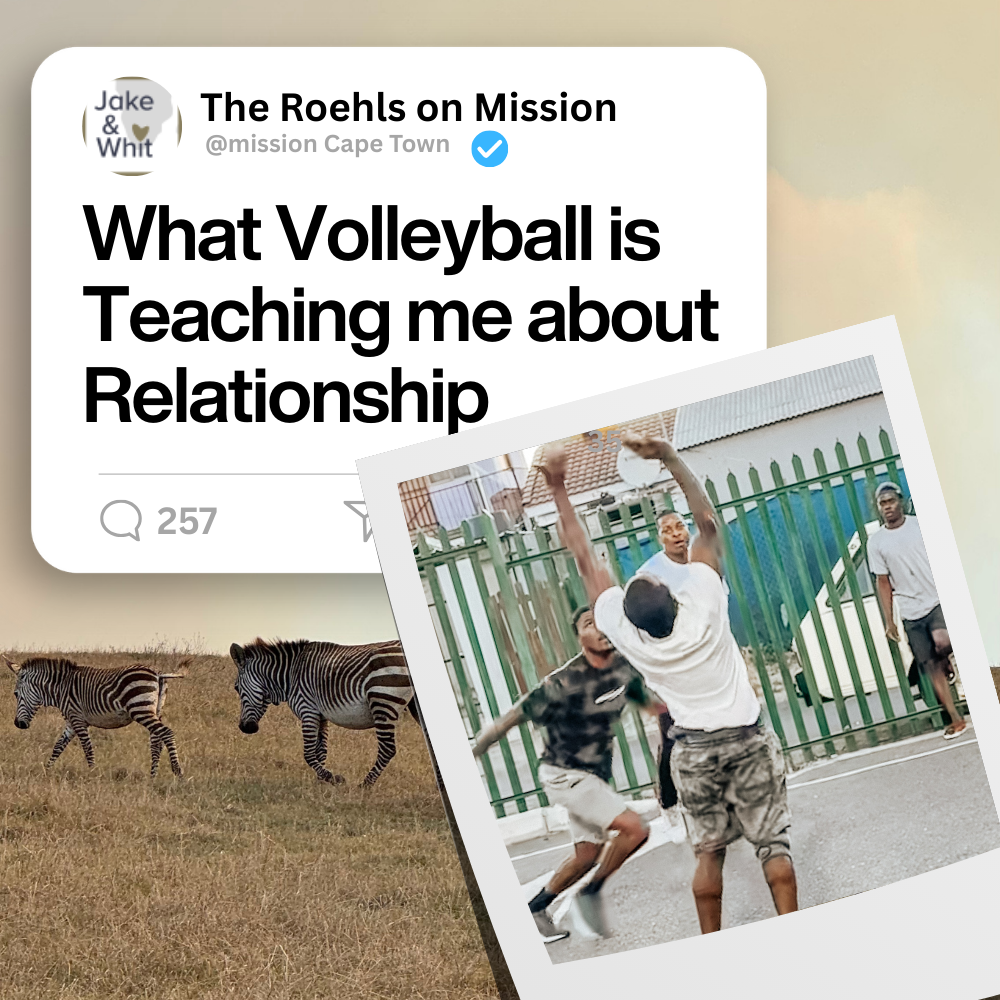
A rugby match and a painted asphalt volleyball court revealed the same lesson: when we assume we understand a system before learning its culture, we create problems without meaning to. This is a reflection on relationship, restraint, and staying long enough to understand.
Here’s the uncomfortable truth I’m learning.
Most damage in cross-cultural spaces doesn’t come from bad intentions. It comes from unexamined assumptions.
If I had rushed in thinking I knew what success looked like, I could have created problems without meaning to.
I could have pushed goals that didn’t fit.
I could have diminished something that already held value.
I could have offered solutions before understanding the system they were already operating within.
That’s how well-meaning people end up frustrated. Or worse, resented.
And it’s not just true in sport.
One of the strongest lessons we’ve been learning lately is the importance of learning before acting, and listening before deciding where we fit.
It’s tempting to arrive somewhere new and immediately look for contribution. To ask, “What can I bring?” before asking, “What’s already here?”
But meaning, aspiration, and satisfaction are not universal. They are shaped by history, responsibility, and context.
For some of the men I’m coaching, volleyball isn’t a stepping stone to something else. Many are in their mid-20s. Some already have children. Their lives don’t line up with neat development pipelines or outside expectations of progress.
That doesn’t make what they’re building small.
It makes it specific.
It might be identity.
It might be dignity.
It might be consistency in a place where consistency is rare.
It might be one of the few spaces where standards still matter.
If I don’t understand that first, no amount of enthusiasm will help.
So before we talk about training plans or pathways or outcomes, the most important step is conversation.
How do you see yourselves as a team?
What does this club represent to you?
What would growth actually look like in your eyes?
What are you willing, or not willing, to sacrifice?
Those questions slow things down. But they also prevent harm.
They protect relationship.
They keep effort from turning into interference.
Volleyball has become an unexpected teacher for us. Not because of the sport itself, but because of what it’s revealing about how change actually works here.
Real impact doesn’t start with solutions.
It starts with understanding.
It doesn’t rush.
It stays.
And sometimes the most important work isn’t done in stadiums filled with noise and celebration, but on painted asphalt courts, where the meaning isn’t obvious unless you’re willing to look twice.